Imagine a world where life-saving medicine and essential supplies arrive at your doorstep in minutes—delivered not by a truck, but by a drone. Sounds like science fiction? Not anymore.
Zipline has turned this vision into reality, redefining how we think about delivery services. Let’s explore how Zipline has built an innovative business model that not only disrupts but also inspires entrepreneurs to think beyond conventional solutions.
Table of Contents
What is Zipline?
Zipline is a drone-powered logistics company that started with a simple yet profound mission: to build the world’s first logistics system that serves all people equally.
Founded in 2014, Zipline first gained global recognition for its work in Rwanda, where it delivered blood and vaccines to rural hospitals using drones.
Rwanda ranks among the world’s poorest countries, and despite government investments in healthcare, transporting medical supplies remains a significant challenge.
“To put it into perspective, when you don’t have paved roads, sometimes it’s impossible to get out to these hospitals and health clinics, and sometimes it’s just difficult. But it’s always unpredictable and unreliable.” — Keller Rinaudo Cliffton, Zipline CEO and Co-founder.
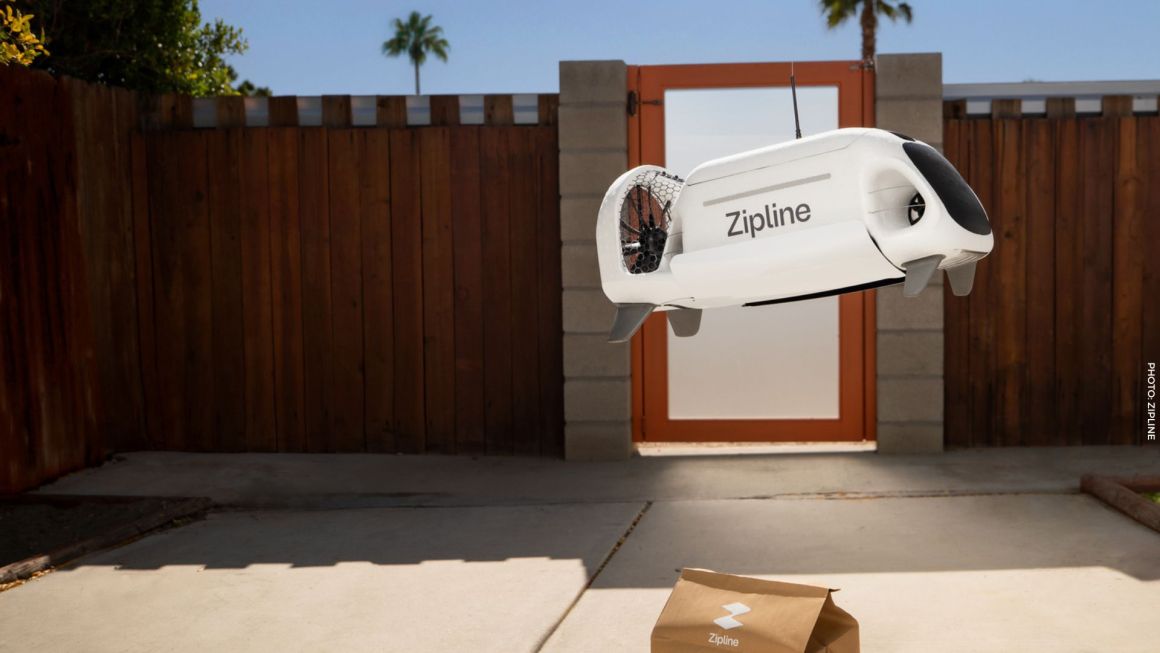
Zipline’s system allows hospitals to request blood or medicine via phone, text message, or Zipline’s app. The P1 drones navigate autonomously and release packages gently and precisely at the destination via parachutes. Since deliveries take less than 30 minutes, insulation or refrigeration is unnecessary.
Today, Zipline has expanded its services across 8 countries on 4 continents, providing fast, cost-effective, and eco-friendly deliveries to thousands of homes, hospitals, and businesses. Its food, retail, and healthcare deliveries now reach tens of millions of people worldwide.
Innovation That Changed the Game
What Makes Zipline’s Business Model Revolutionary?
Zipline didn’t just improve existing delivery methods—it reinvented them. Let’s break down its business model using the Business Model Canvas framework:
Value Proposition
Traditional logistics can be slow, costly, and unpredictable, especially in remote areas. Zipline overcomes these challenges with clean, ultra-fast, and reliable drone delivery solutions that save lives, reduce emissions, and expand economic opportunities.
With end-to-end cold-chain capabilities, real-time tracking, and seamless inventory control, Zipline enables enterprises to serve remote and urban areas alike, ensuring efficiency and safe transport with no product loss or spoilage.
These battery-powered, GPS-equipped ‘Zips’ are built to withstand harsh weather conditions, including rain and wind. They deliver at about ten times the speed of traditional car deliveries and operate with zero carbon emissions—helping to reduce road congestion and air pollution.
Customer Segments
Zipline initially serves governments and healthcare providers. Its expansion into commercial deliveries opens new revenue streams and opportunities in sectors such as food, retail, and agriculture.
Channels
Instead of relying on traditional delivery networks, Zipline uses a fleet of automated drones, deployed from strategic distribution hubs across 8 countries on 4 continents. The P1 drones are designed for long-range deliveries, serving enterprises, businesses, and government operations, while the P2 drones specialize in home deliveries.
Revenue Streams:
- Medical Supply Deliveries: Revenue from governments and healthcare providers for the transportation of medical supplies, blood, vaccines and more.
- Commercial Deliveries: Revenue from contracts with companies like Panera Bread and Walmart for delivering food, groceries and household items.
Key Resources
To ensure smooth operations, Zipline relies on:
- Proprietary drone technology
- Strategic fulfillment centres (distribution hubs) with cold chain storage and inventory management system.
- Advanced software and AI systems, which enable autonomous flight navigation, air traffic control integration, and real-time tracking for safe and efficient drone deliveries.
Impact and Success
Zipline is revolutionizing logistics, from supporting national healthcare systems in Rwanda and Ghana to offering Walmart’s on-demand home deliveries and helping restaurants serve meals faster and fresher than ever.
Here’s what they’ve achieved so far:
- Zipline has completed over a million commercial deliveries, serving more than 4,500 health centers and reaching over 45 million people.
- Zipline has flown more than 95 million commercial autonomous miles.
- It plays a crucial role in Rwanda’s healthcare system, making deliveries to 84% of the country’s hospitals and health facilities while reducing blood wastage by 67%.
- Zipline’s delivery have saved over 900,000 gallons of fuel compared to traditional car-based transport.
What Entrepreneurs Can Learn?
Zipline’s success is not just about drones—it’s about rethinking how industries operate. Here are 3 key takeaways for innovators and startups:
- Solve Real Problems – Zipline didn’t build drones just because they’re cool. They identified a pain point (slow, unreliable logistics especially in remote areas) and created a solution that delivers real impact.
- Think Beyond Traditional Models – Instead of tweaking existing supply chains, Zipline reimagined delivery logistics by developing a fully autonomous drone delivery system designed to bypass traditional infrastructure challenges.
- Expand & Adapt – While Zipline started in healthcare, it continues to pivot and expand into new industries like e-commerce and food delivery, showcasing adaptability in an ever-changing market.
Zipline’s journey proves that bold ideas, when executed well, can disrupt industries and create massive impact.
Take Your Innovation to the Next Level
Need help turning your ideas into reality? Book a free discovery call with Accolade Coaching to explore how we can help you innovate, build, and scale your next big idea.
Sources: